
Explore House Institute
Explore House Institute
Discover our work, connect with resources, and find opportunities to get involved across the House community.

Explore our programs, connect with our experts, participate in research, access hearing health resources, and discover ways to support our mission.
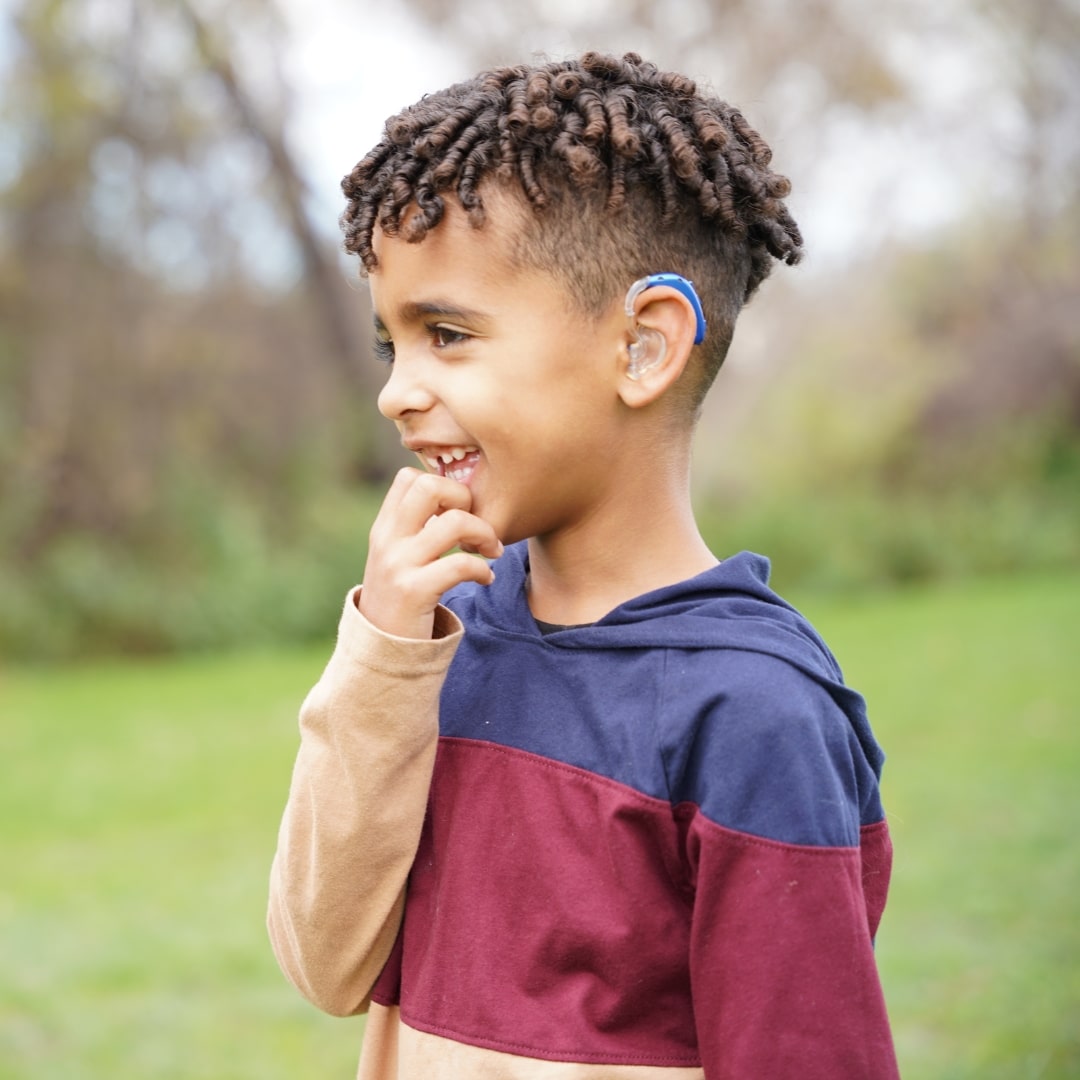
About the House Institute Foundation
For 80 years, the House Institute Foundation has advanced hearing and neurological health through research, education, and compassionate care. Today, we continue that legacy by supporting innovative research, educating hearing health professionals, and connecting patients and families with resources and care across the House community.
About the House Institute Foundation
For 80 years, the House Institute Foundation has advanced hearing and neurological health through research, education, and compassionate care. Today, we continue that legacy by supporting innovative research, educating hearing health professionals, and connecting patients and families with resources across the House community.
Explore & Get Involved
Discover ways to participate, connect with care, and engage with the work happening across House.
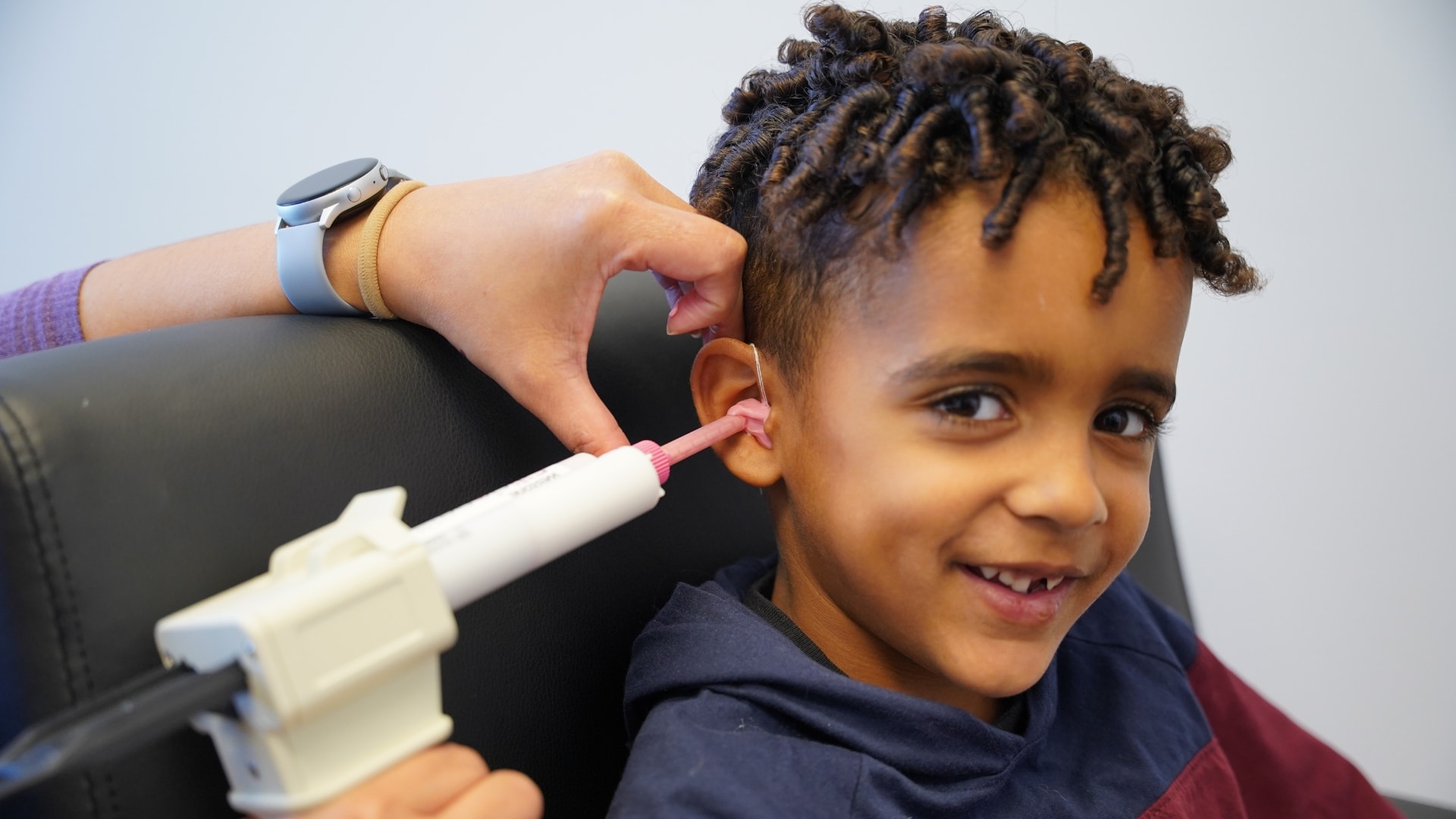
Custom Hearing Protection
Protect your hearing with personalized, custom-fit hearing protection.
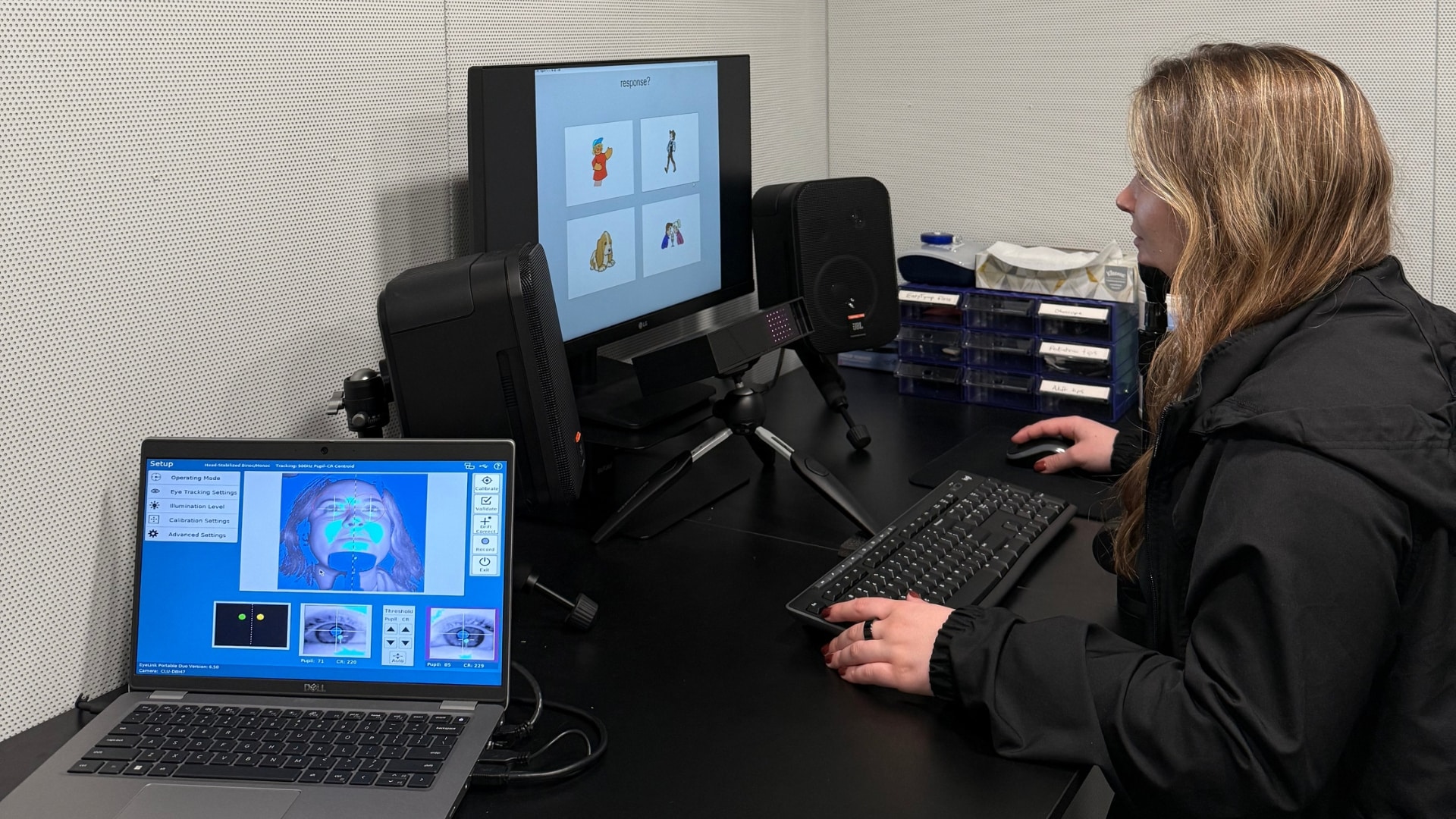
Participate in Research
Explore current research studies and opportunities to participate or refer eligible patients
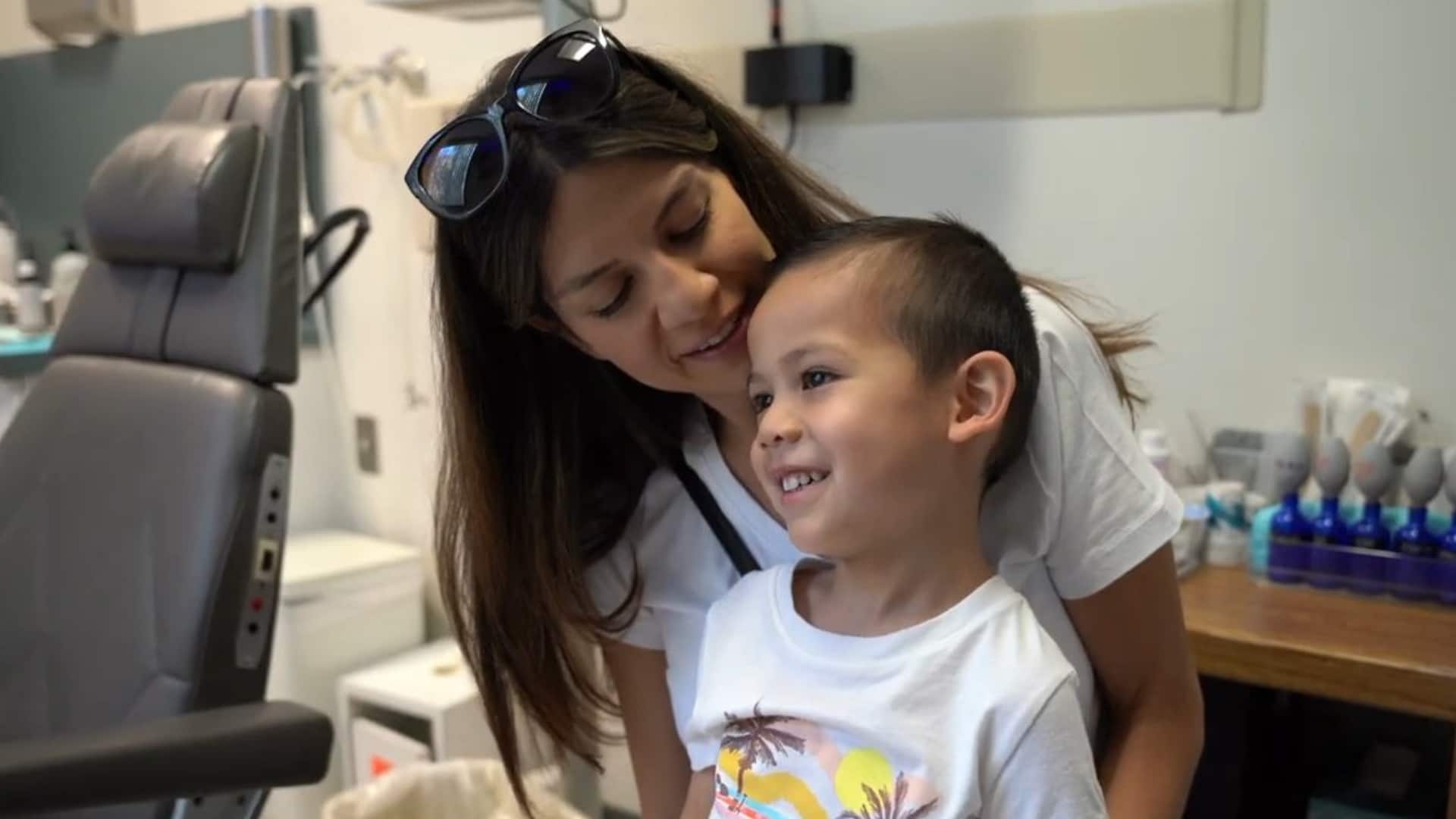
Refer a Pediatric Patient
Connect children and families with specialized pediatric hearing care at House Children’s Hearing Center.
Professional Education
Explore training, lectures, and educational resources from House experts.
Custom Hearing Protection
Why Custom Hearing Protection?
Custom-fit earplugs are made specifically for your ears, providing a secure, comfortable fit and reliable hearing protection.
Specialized options can reduce harmful noise while preserving sound quality, making custom protection useful for concerts, music, work, recreation, and other noisy environments.

Why Custom Hearing Protection?
Custom-fit earplugs are made specifically for your ears, providing a secure, comfortable fit and reliable hearing protection.
Specialized options can reduce harmful noise while preserving sound quality, making custom protection useful for concerts, music, work, recreation, and other noisy environments.
Get Custom Hearing Protection
Custom-fit hearing protection is available for both children and adults through House.
For Children:
House Children’s Hearing Center
Custom-fit hearing protection for children and teens for concerts, sporting events, loud activities, and more.
For Adults:
House Hearing Health Centers
Custom hearing protection for adults, with options designed for work, music, recreation, and other noisy environments.
Explore Care Across House
Connect with specialized hearing and neurological care for children and adults across House.
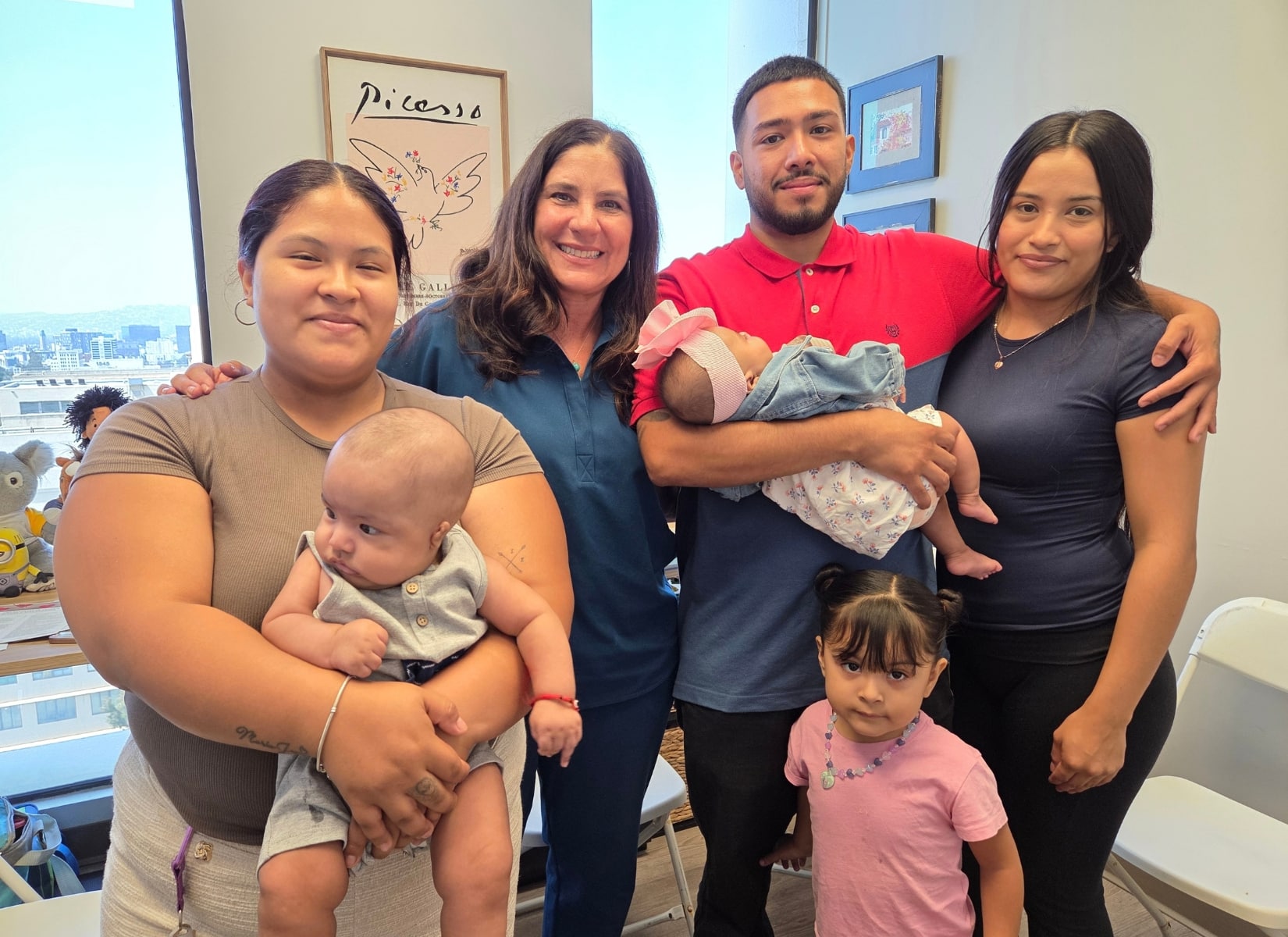
House Children’s Hearing Center
Comprehensive pediatric hearing center devoted to the evaluation, diagnosis, and treatment of the full spectrum of hearing conditions in children, from birth to 20 years of age.
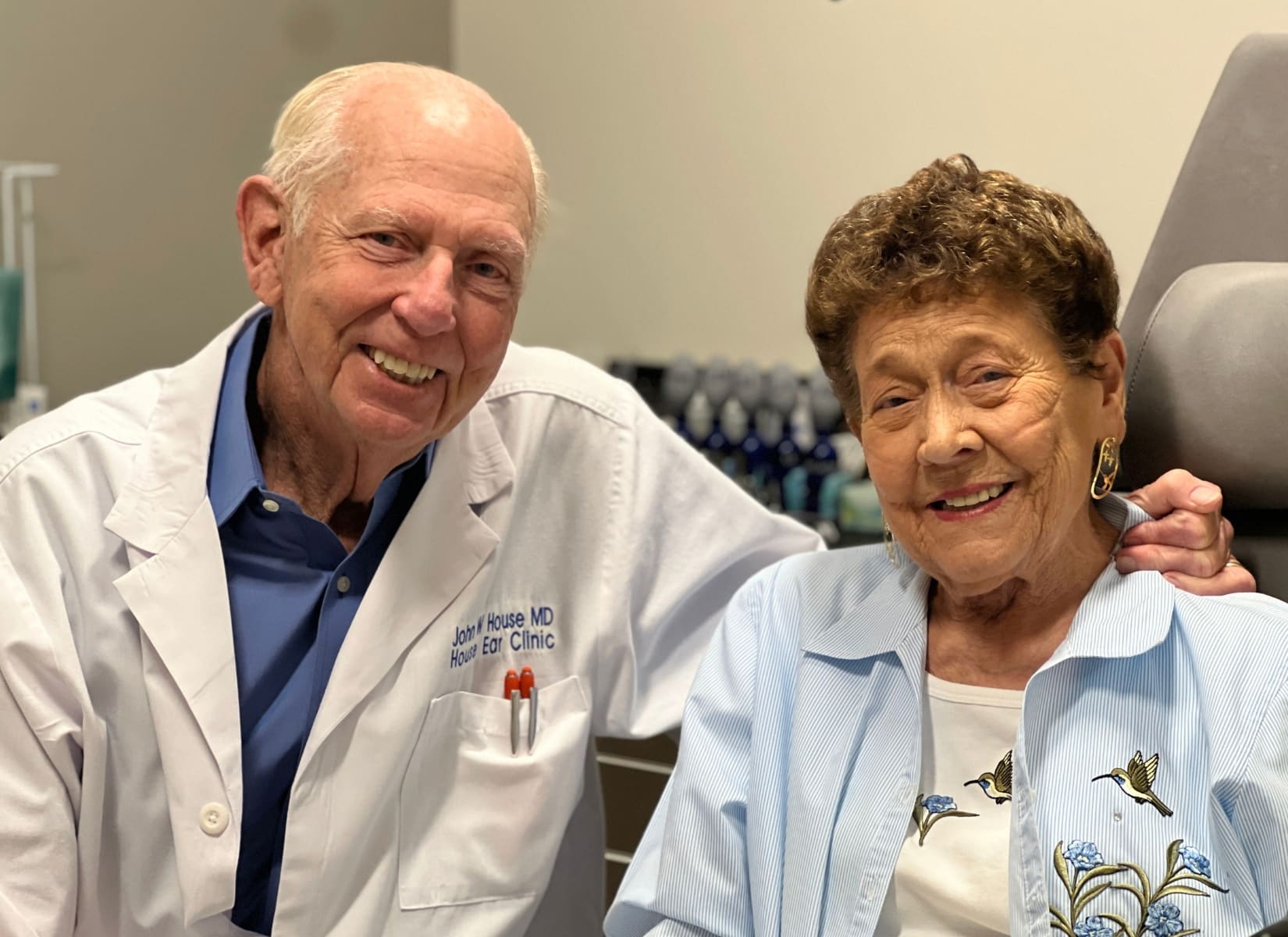
House Ear Clinic
Specialized care for hearing, balance, and neurological conditions from a multidisciplinary team of audiologists, otolaryngologists, neurotologists, and neurosurgeons. The team treats a variety of ear-related disorders such as Meniere’s disease, acoustic neuromas, skull-base tumors, and neurofibromatosis.
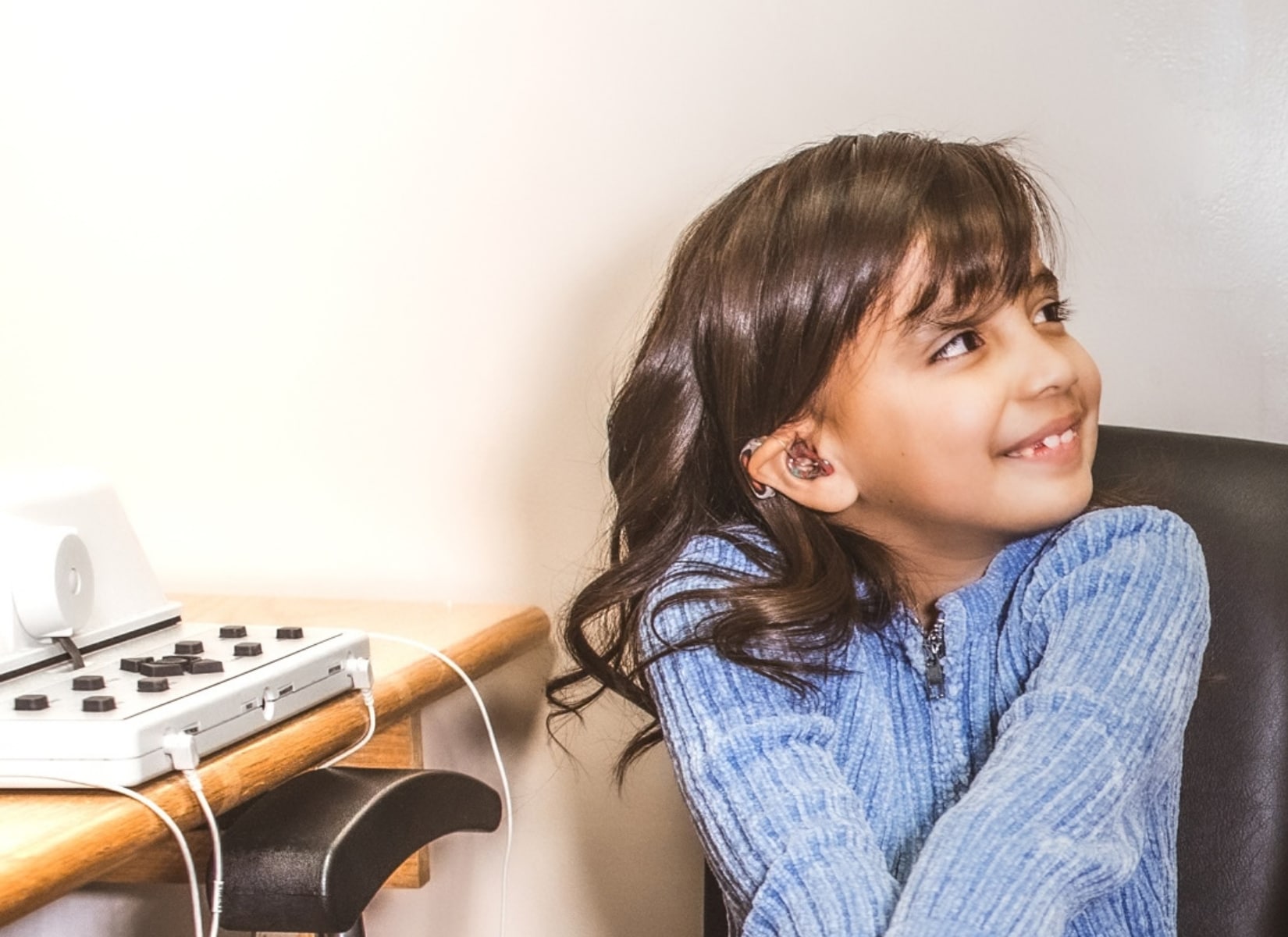
House Hearing Health Centers
Comprehensive hearing healthcare for adults, including hearing evaluations, hearing technology, and personalized hearing solutions at locations across Southern California.
Education & Professional Programs
Explore professional training, lectures, and educational resources from House experts.
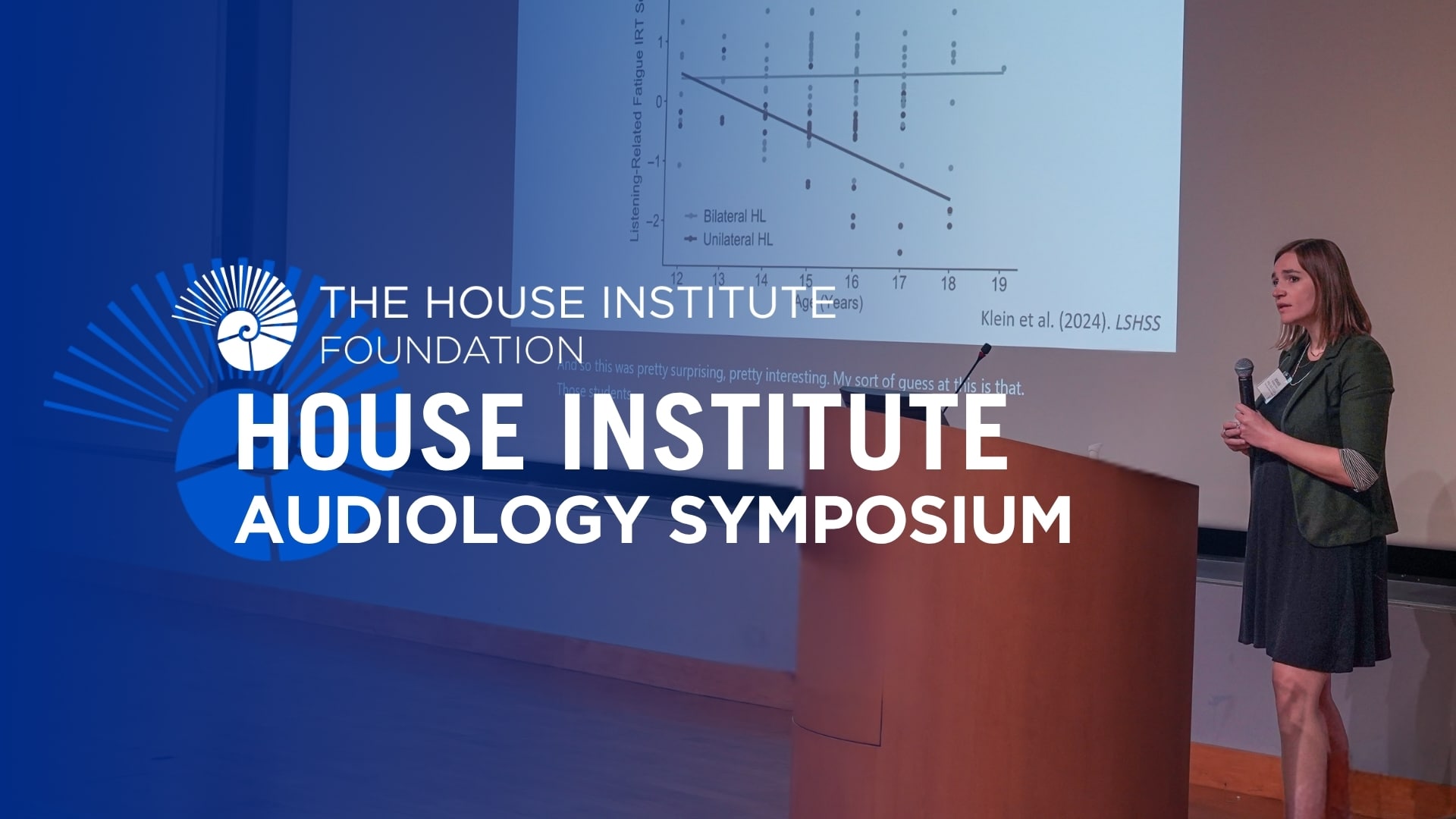
House Audiology Symposium
An annual multidisciplinary program bringing together hearing health professionals to explore clinical insights, research, and advances in hearing care.
Learn More
The annual House Audiology Symposium isn’t just another CEU opportunity—it’s a dynamic, multidisciplinary experience designed to spark connection, curiosity, and clinical growth.
Our most recent symposium was held in August 2026. Sign up to be among the first to hear about future symposium dates and other professional education opportunities.
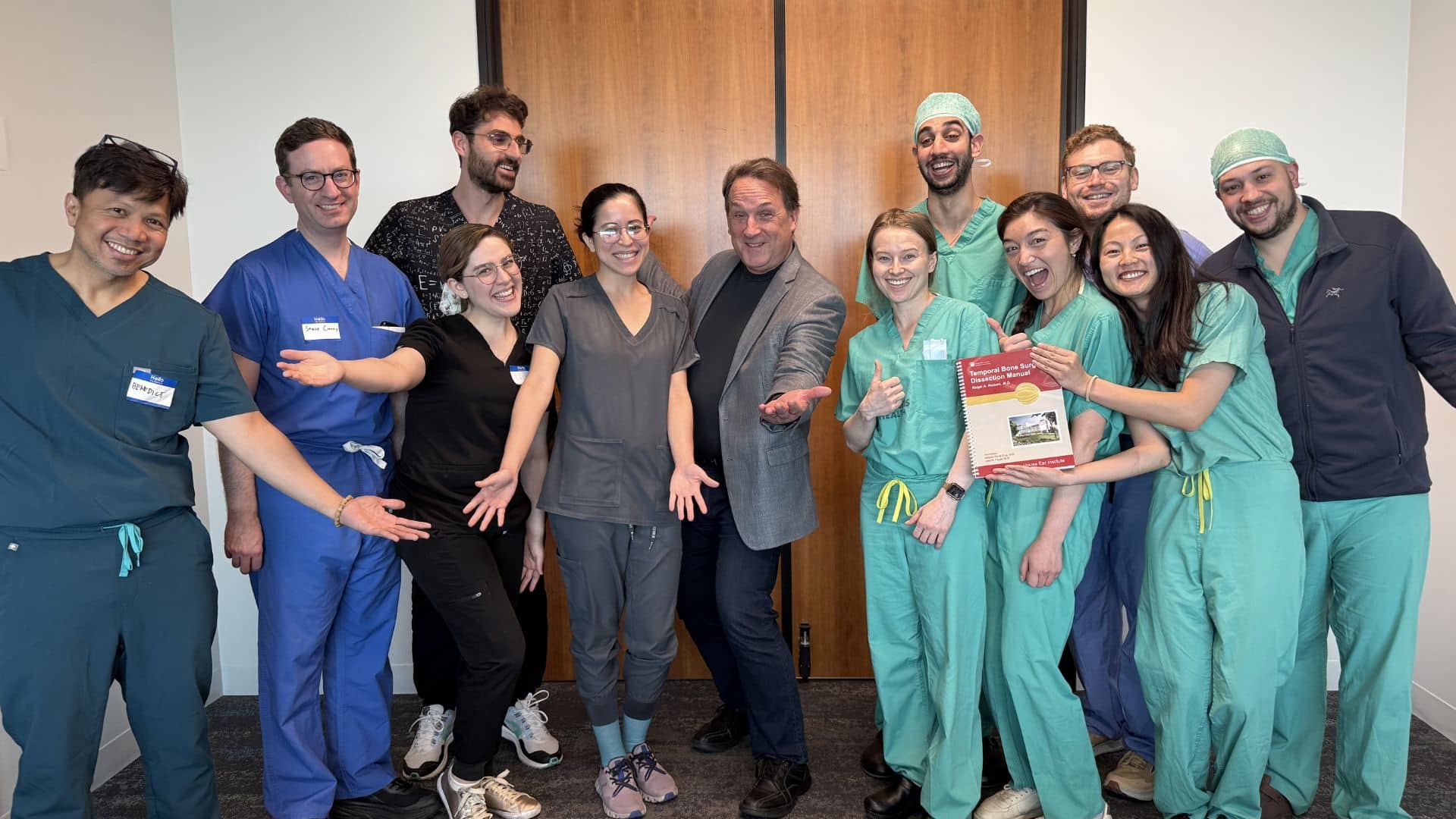
Temporal Bone Course
A two-day hands-on course featuring expert lectures and temporal bone dissection led by House Ear Clinic faculty.
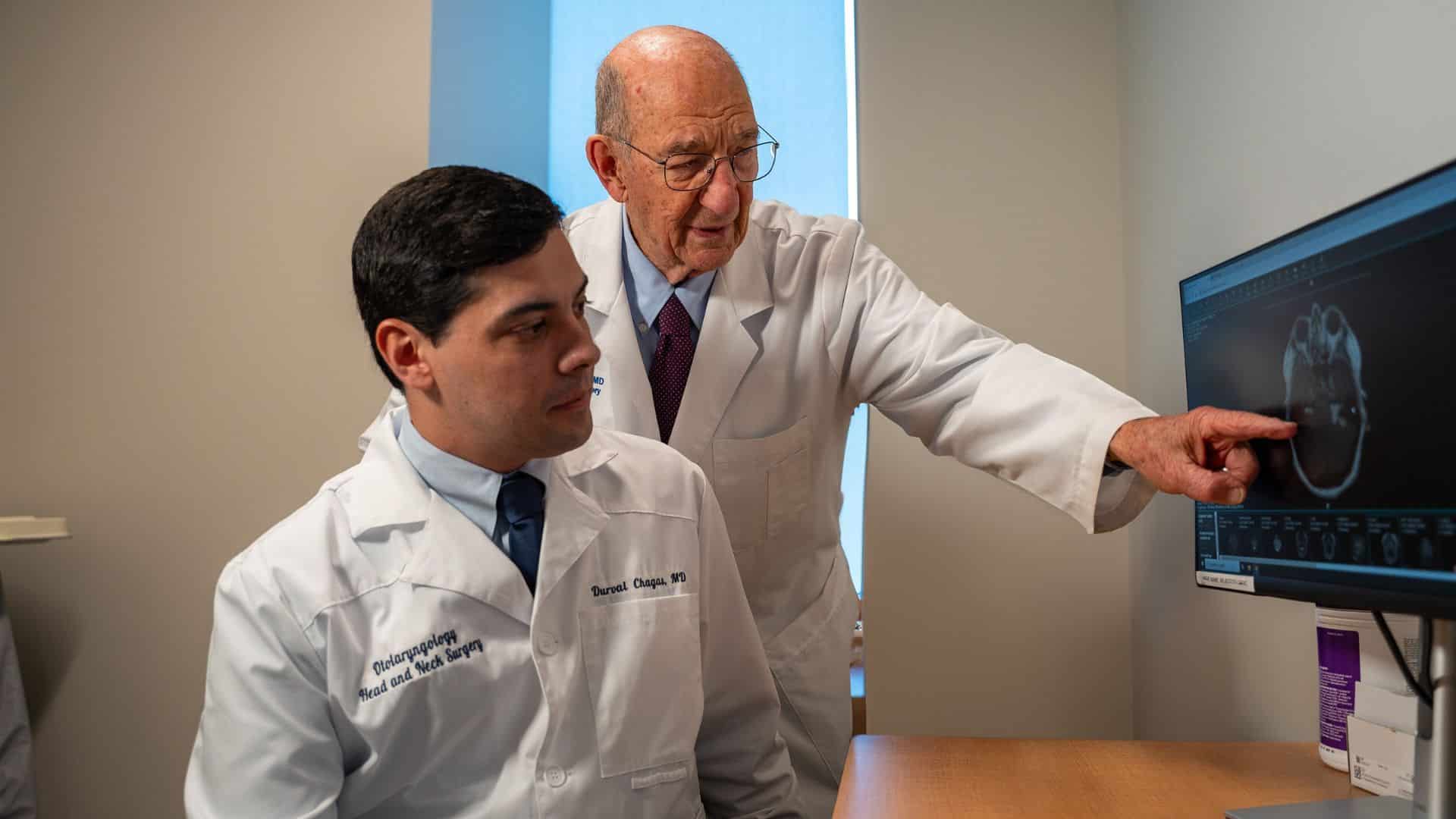
Visiting Physicians Program
An educational opportunity for otolaryngologists, neurotologists, residents, and other hearing health professionals to learn alongside House Ear Clinic experts.

Online Neurotology Education (ONE)
A weekly speaker series featuring leading experts in ear and hearing health for physicians and hearing health professionals.
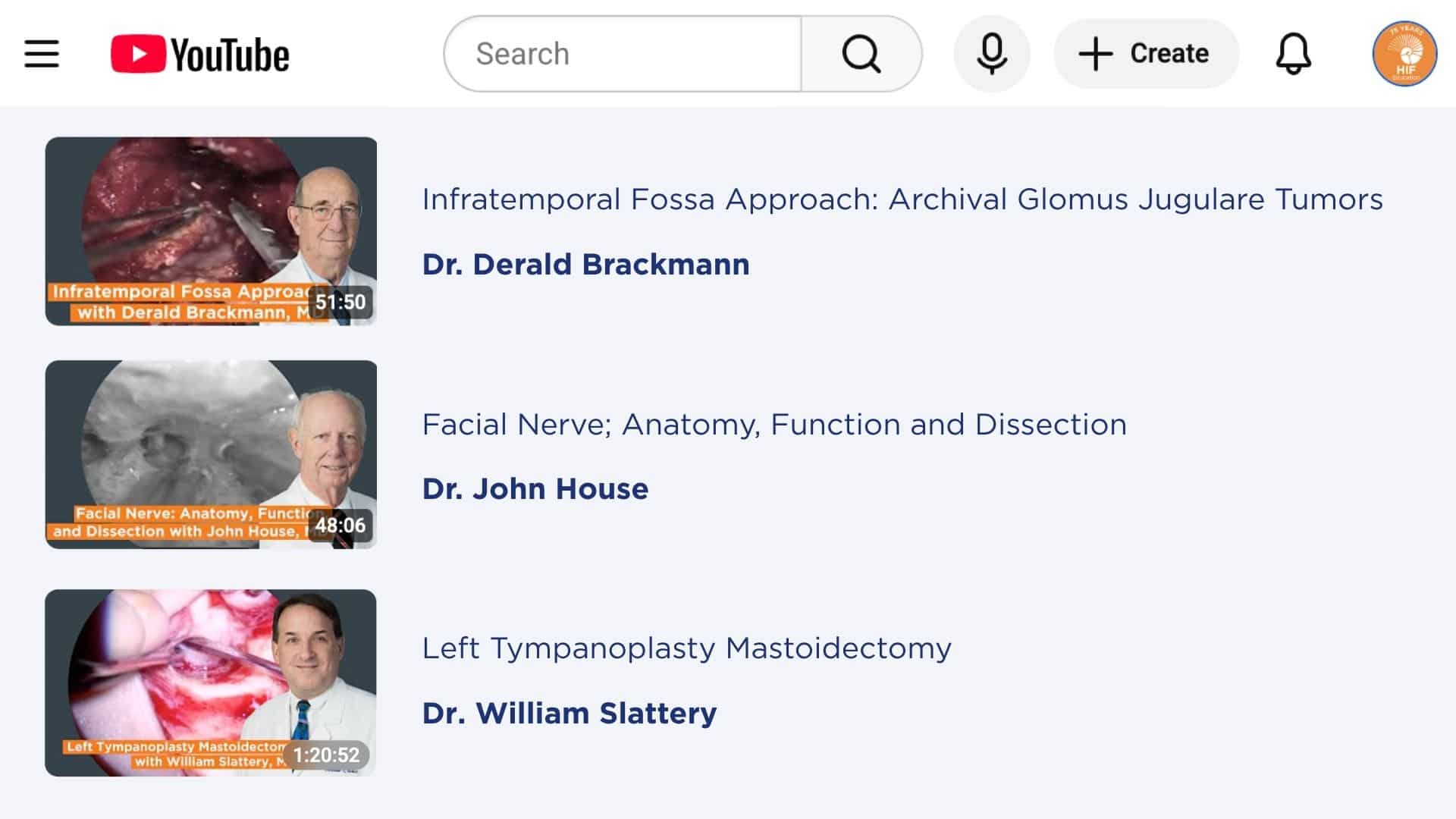
Surgical Video Library
Explore hundreds of educational surgical technique videos from House Ear Clinic faculty.
House Institute Research
Explore professional training, lectures, and educational resources from House experts.
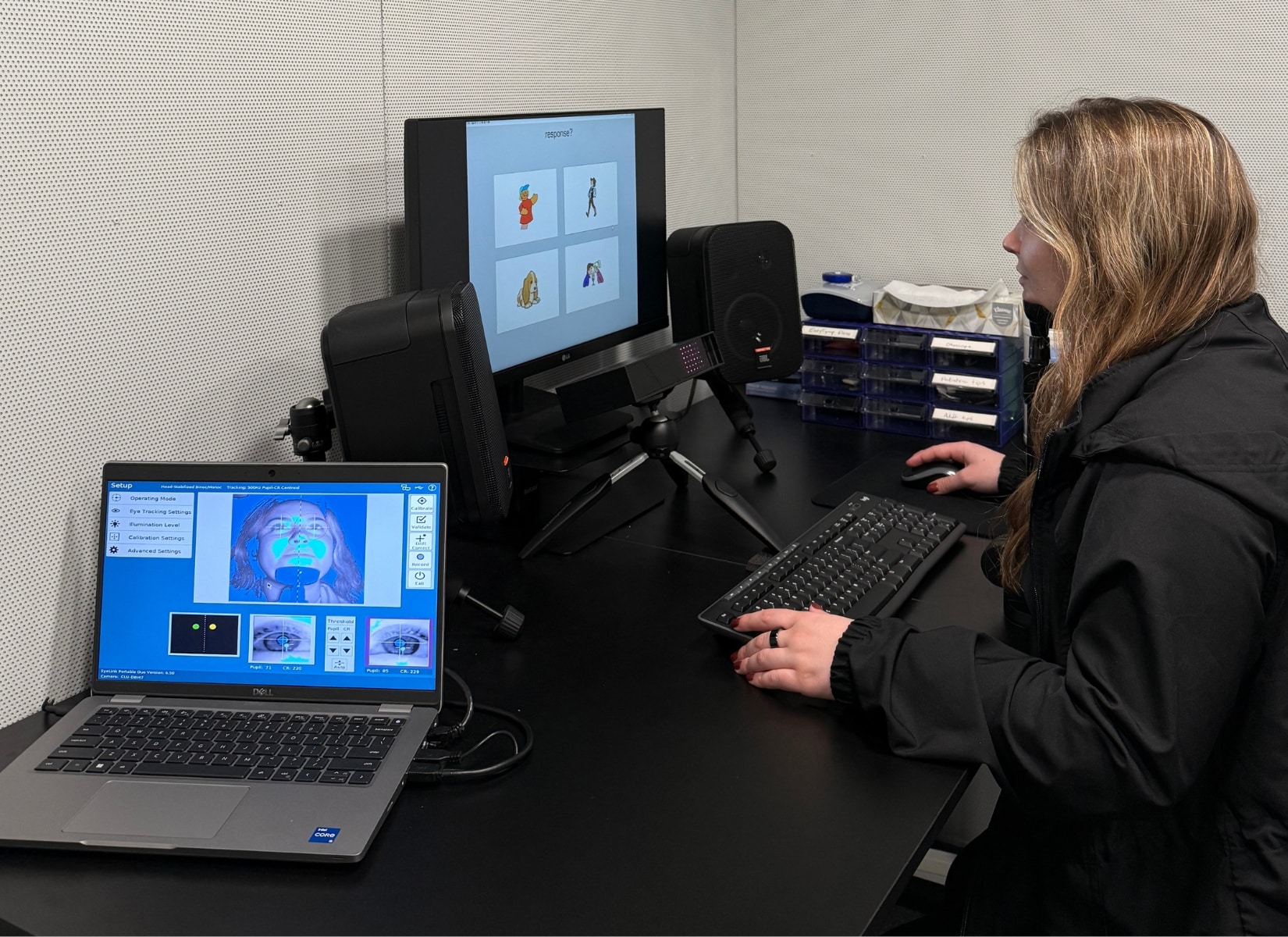
Active Research Studies
Explore current studies and opportunities to participate in research advancing our understanding, diagnosis, and treatment of hearing and related conditions.
Pediatric Research Opportunities
LiLAC Lab
Led by Kelsey Klein, PhD, AuD, CCC-A, the LiLAC Lab conducts pediatric research with the goal of improving real-world functional outcomes and informing intervention approaches for children with hearing loss.
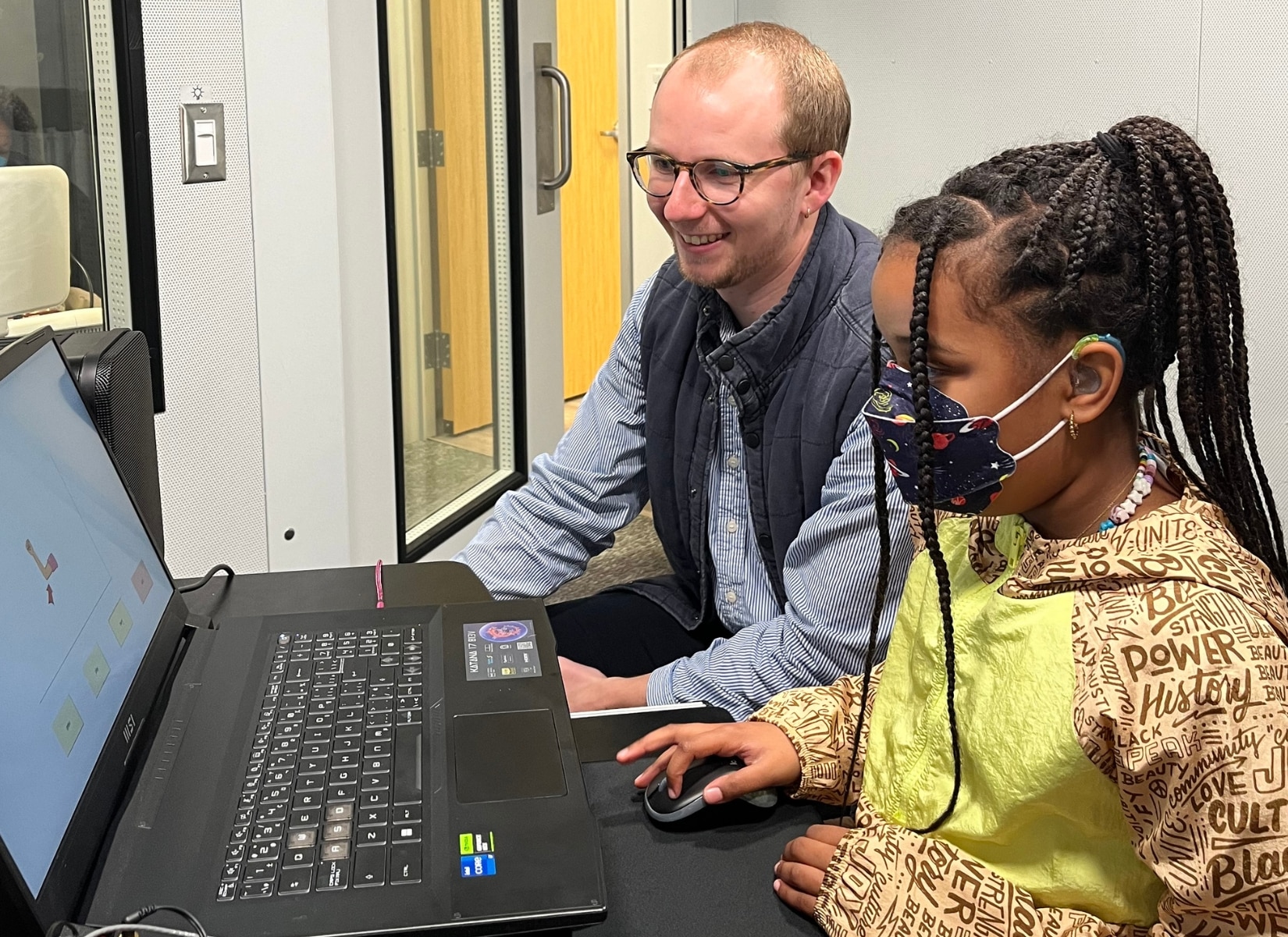
Using Eye-Tracking to Assess Real-Time Spoken Language Processing in Children (RAMS)
Currently enrolling normal-hearing children ages 7-17 and children ages 7-17 who use bilateral hearing aids.
The purpose of this study is to examine how hearing loss and age affect speech recognition in background noise.
Learn More
Using Eye-Tracking to Assess Real-Time Spoken Language Processing in Children
Children with and without hearing loss can struggle to understand speech in noisy environments, which may be due in part to negative effects of auditory maskers (i.e., background noise) on children’s speech processing efficiency. In this project, we are characterizing the development of children’s real-time processing efficiency while listening to speech in different types of noise, as well as comparing these processes in children with normal hearing and children with hearing aids. Findings will inform recommendations for classroom noise management, improve our understanding of the mechanisms underlying listening and spoken language difficulties in children with hearing aids, and support the development of clinical interventions supporting complex listening skills in children with hearing loss.
Longitudinal Pediatric Hearing Health (LPHH) Study
Currently enrolling children between the ages of 0 to 20 with hearing loss
A longitudinal study examining a range of outcomes among a diverse group of children and adolescents with hearing loss.
Learn More
Longitudinal Pediatric Hearing Health Study
Technology and early intervention for children with hearing loss have improved tremendously in recent decades. However, we continue to see large variability in children’s long-term outcomes. In this longitudinal study, we are examining outcomes related to speech perception, language, listening-related fatigue, mental health, and quality of life among children and adolescents who are deaf or hard of hearing. Our goal is to identify audiologic, educational, and family- and child-specific factors that support improved outcomes. By including a large and diverse group of children, including children with additional disabilities, children who speak Spanish, and children with hearing loss in only one ear, we will ensure that our findings are relevant to a broad range of children.
Characterizing the Home Auditory Environments of Children with Hearing Loss (CHEAR)
A study that combines in-lab and at-home measurements to better understand how well children with hearing loss can access spoken language at home.
Learn More
Characterizing the Home Auditory Environments of Children with Hearing Loss
Children with hearing loss need consistent access to speech to effectively develop spoken language. When there is a lot of noise, it can be difficult for children with hearing loss to hear and understand speech. In this study, we are using audio recorders that analyze how much speech and noise children are exposed to in order to characterize children’s listening environments at home. We are particularly interested in how social, cultural, and linguistic factors are related to spoken language access for children with hearing loss. The results will support clinicians in providing families more individualized recommendations about how to support their children’s spoken language development at home.
Questions About Participating in Pediatric Research?


Support Our Mission
Your support fuels groundbreaking research, expands education, and strengthens pediatric hearing care—helping the House Institute Foundation create a future with better hearing and healthier lives.
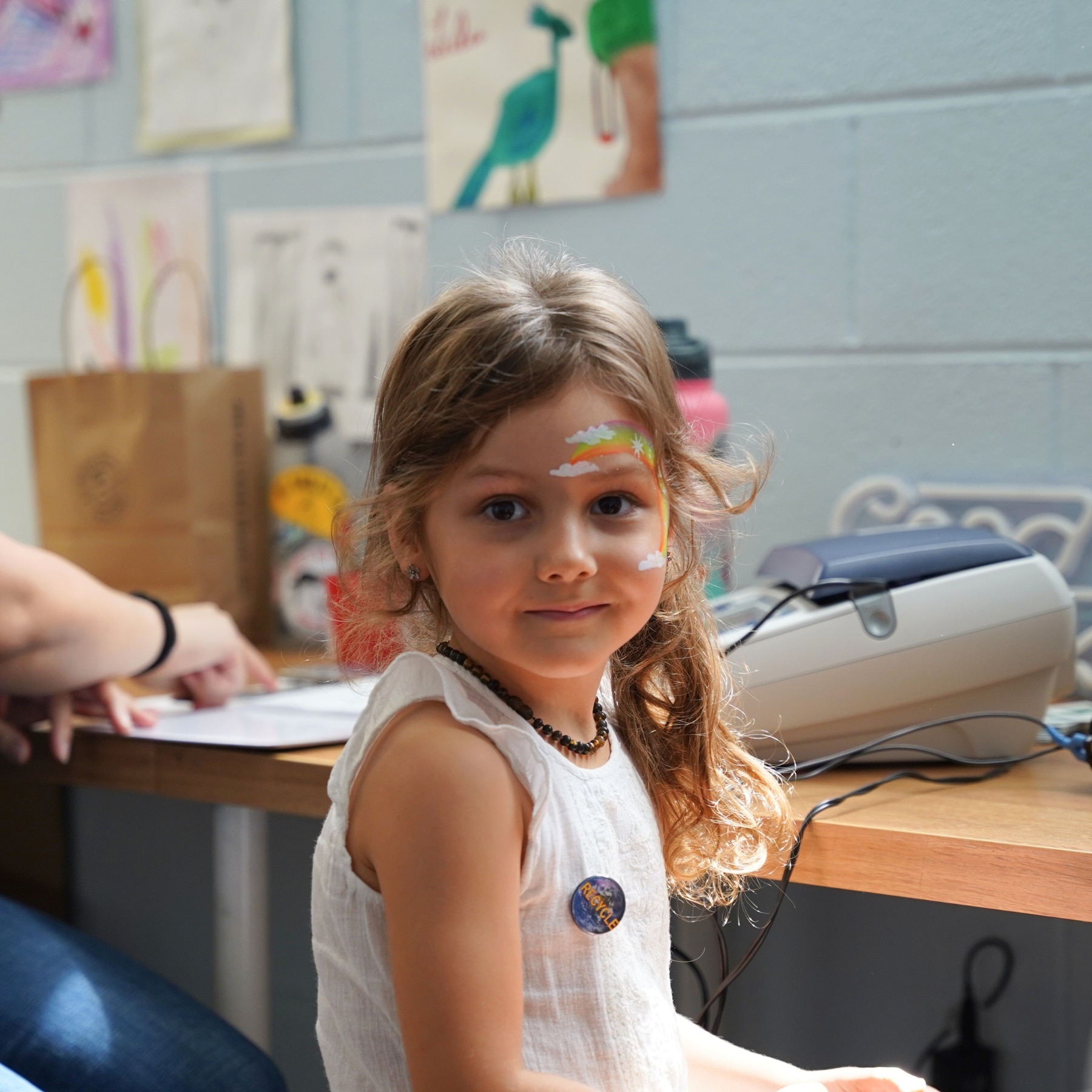
Support Our Mission
Your support fuels groundbreaking research, expands education, and strengthens pediatric hearing care—helping the House Institute Foundation create a future with better hearing and healthier lives.
Stay Connected with House
Get the latest on research, programs, educational opportunities, events, and news.