by hifla | Dec 15, 2020 | House Institute Foundation, News, Research
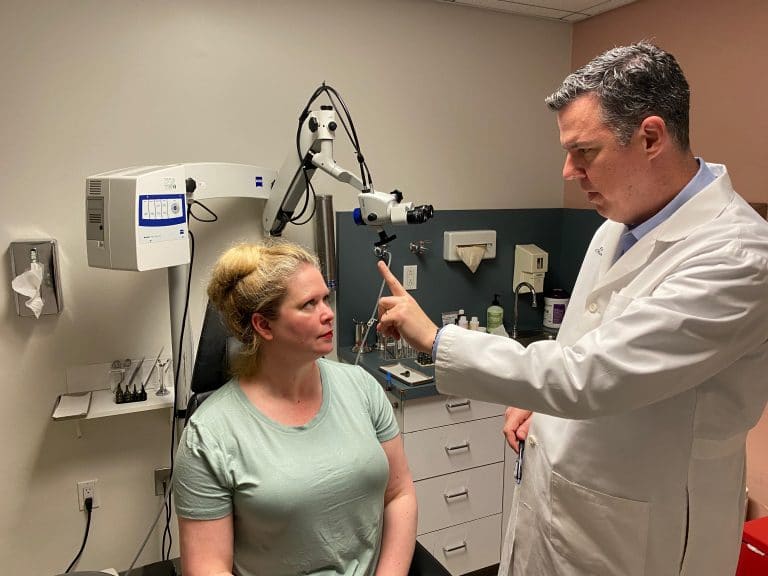
• Improving the accuracy of acoustic tumor tissue dissection and the preservation of essential structures • Increasing sound perception for cochlear implant users • Assessing symptoms of neurofibromatosis type 2, including quality of life and hand function...

by hifla | Dec 15, 2020 | Donor Spotlight – Your Stories, House Institute Foundation, News
By Javia Headley, Marketing Communications Manager When Darlene Fragale first started losing her hearing in the 1960s, there were not many options for otosclerosis patients like her to regain their sense of sound. Otosclerosis occurs when a middle ear bone...

by hifla | Dec 15, 2020 | Education, House Institute Foundation, News
By Dr. William M. Luxford, MD 2021 will mark my 40th year as an associate of the House Ear Clinic. My interest in problems with hearing began years before my House fellowship. My mother became severely hearing impaired in the first few years after her birth in...
by hifla | Dec 14, 2020 | House Institute Foundation, News
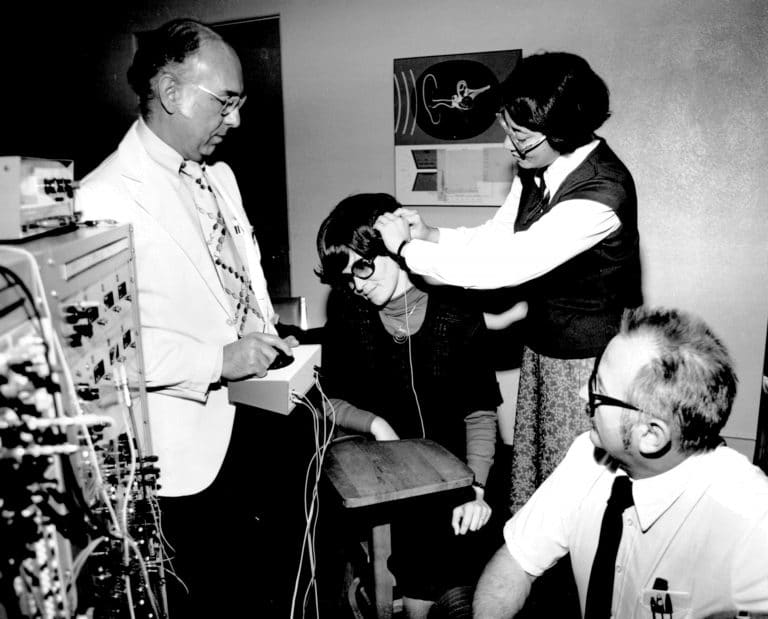
• 1947 – Fenestration and double blue line technique for otosclerosis • 1956 – Standardization of noise-induced hearing loss • 1961 – Middle fossa removal of an acoustic neuroma • 1961 – Cochlear implant prototype • 1969 – Translabyrinthine...
by hifla | Dec 14, 2020 | House Institute Foundation, News
By M. Jennifer Derebery, MD Meniere’s Disease is one of the House Institute Foundation’s (HIF) primary areas of research. Its symptoms include episodic bouts of severe vertigo, unstable sensorineural hearing loss, ear fullness, and tinnitus. Although first described...
by hifla | Dec 14, 2020 | House Institute Foundation, News
By Sarah Hodge, MD and Mia E. Miller, MD Part of our goal at House is to find ways to best inform our patients about the course of their care. Imaging studies can help us with these predictions. Utilizing MRI technology, vestibular schwannomas are not only diagnosed,...
